








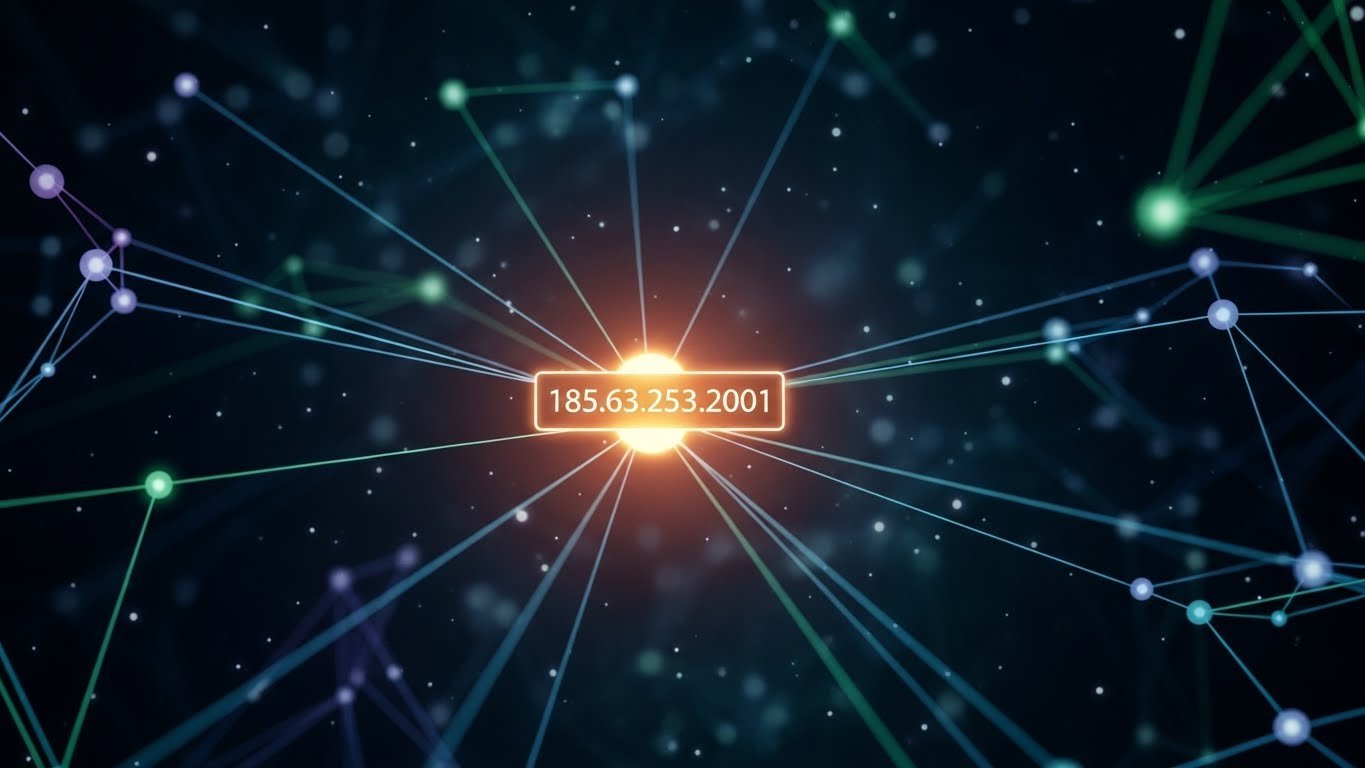
In the fast-paced world of digital communication, every second counts. As we navigate through an ocean of data and connections, one number stands out: 185.63.253.2001. But what exactly does it represent in this intricate web of technology? This IP address may seem just like a string of numbers to some, yet it plays a pivotal role in how devices communicate across networks.
Understanding 185.63.253.2001 is essential for anyone interested in network communications or cybersecurity trends today. Join us as we dive deep into its significance, exploring everything from its history to its future implications on our connected lives!
What is 185.63.253.2001?
The number 185.63.253.2001 represents an Internet Protocol (IP) address, a unique identifier assigned to devices on a network. This specific format of numbers helps computers communicate over the internet.
Every device connected to the web needs an IP address to send and receive data packets efficiently. Think of it as a postal address for your computer, enabling information to reach its destination without confusion.
This particular IP falls within the larger framework of IPv4 addresses, which are made up of four sets of numbers ranging from 0 to 255. With billions of devices online today, each requires distinct identification for seamless interaction.
Understanding how 185.63.253.2001 functions is crucial in today’s digital age where connectivity reigns supreme, facilitating everything from browsing websites to streaming content and engaging in social media interactions.
The History and Evolution of IP Addresses
The journey of IP addresses began in the early days of the internet. Initially, networking relied on simple systems that used static addressing. The first version, IPv4, emerged in 1983 with its 32-bit structure. This allowed for approximately four billion unique addresses.
As technology advanced and internet usage skyrocketed, this limited pool became insufficient. Consequently, IPv6 was introduced in 1998 with a stunning 128-bit format. This upgrade offered an astronomical number of possible addresses—enough to accommodate every device imaginable.
Over time, dynamic addressing methods also evolved through technologies like DHCP (Dynamic Host Configuration Protocol). These innovations provided more flexibility and efficient use of available addresses.
Today’s IP address system plays a crucial role in routing data across networks globally. It has become integral to how devices communicate seamlessly within vast cyber landscapes.
How 185.63.253.2001 Fits into the Network Communication System
185.63.253.2001 plays a crucial role in the vast landscape of network communications. As an IP address, it serves as a unique identifier for devices connected to the internet.
When data is transmitted across networks, each packet carries source and destination addresses. This helps ensure that information reaches its intended recipient without confusion.
This specific IP address can be part of various networking protocols like TCP/IP or UDP, facilitating seamless communication between servers and clients.
In addition, 185.63.253.2001 may belong to different organizations or service providers around the globe, showcasing the diversity within digital ecosystems.
By enabling efficient routing and connectivity, it supports applications ranging from web browsing to video conferencing, enriching our online experiences significantly.
Advantages and Disadvantages of Using 185.63.253.2001
Using 185.63.253.2001 comes with distinct advantages that can enhance network communications significantly. One notable benefit is its role in facilitating direct communication between devices. This IP address allows for seamless data transfer, improving efficiency in various applications.
Moreover, it often supports better speed and reliability compared to shared public addresses. Users can experience faster response times when accessing services through dedicated connections.
However, there are drawbacks worth considering as well. Security vulnerabilities may arise due to the static nature of certain IP addresses like 185.63.253.2001, making them susceptible to attacks if not properly secured.
Additionally, limited availability could hinder scalability for growing networks. Organizations might find themselves restricted by the number of devices they can effectively connect using this specific address format.
Common Uses of 185.63.253.2001 in Modern Society
185.63.253.2001 plays an interesting role in modern society, especially within networking contexts. Organizations often use this IP address for internal communication systems. Its unique structure allows devices to connect seamlessly across various platforms.
In the realm of web hosting, 185.63.253.2001 can serve websites with specific functionalities and services tailored to user needs. Additionally, content delivery networks (CDNs) might leverage this IP for efficient distribution of digital media to users worldwide. Some educational institutions utilize 185.63.253.2001 in their virtual classrooms, enabling remote learning experiences that are both interactive and engaging.
Moreover, cybersecurity teams monitor activities associated with this address to ensure network safety and integrity against potential threats or breaches. The versatility of 185.63.253.2001 is evident as it adapts to different applications across diverse sectors.
Security Concerns and Solutions for 185.63.253.2001
When discussing security concerns related to 185.63.253.2001, one must consider its potential vulnerabilities. Like any IP address, it can be susceptible to cyber threats such as hacking and unauthorized access.
To mitigate these risks, implementing robust firewalls is essential. They act as a barrier between trusted internal networks and untrusted external sources.
Moreover, regular software updates play a crucial role in maintaining security protocols. Outdated systems are prime targets for attackers looking to exploit weaknesses.
Encryption is another effective solution. By encrypting data transmitted through this IP address, sensitive information remains protected from prying eyes.
User education also cannot be overlooked. Training individuals on recognizing phishing attempts and suspicious activity enhances overall network safety significantly. Staying vigilant with monitoring tools allows for real-time detection of anomalies associated with 185.63.253.2001 activities.
Future Of 185.63.253.2001
The future of 185.63.253.2001 is poised for intriguing developments as the digital landscape continues to evolve. This IP address, like many others, will likely see an increase in demand as more devices connect to the internet.
As technologies such as IoT gain traction, the need for reliable and efficient network communication becomes critical. 185.63.253.2001 could play a role in supporting these advancements through enhanced connectivity solutions. Moreover, with growing concerns about cybersecurity, there may be innovations aimed at securing this IP address from potential threats and vulnerabilities.
On top of that, regulatory changes might influence how addresses like 185.63.253.2001 are allocated and used in different regions around the world. Keeping pace with technological trends will shape its relevance in both personal and professional realms moving forward.
Conclusion
Understanding 185.63.253.2001 is essential for anyone involved in network communications today. This IP address serves a significant role, connecting devices and enabling seamless communication across the internet.
The evolution of IP addresses has been remarkable, transitioning from IPv4 to IPv6 to accommodate the growing number of devices online. As technology advances, so too does the structure and function of IP addresses like 185.63.253.2001.
This specific address fits into our network communication system as a unique identifier for devices within its designated range, allowing them to communicate effectively without interference or confusion.
While there are advantages such as ease of connectivity and identification, challenges exist too—most notably security concerns that users must navigate carefully to protect their data integrity.
Modern society benefits from using 185.63.253.2001 in various applications ranging from personal devices to enterprise solutions, showcasing its versatility and importance in daily operations.
As we look ahead, addressing potential vulnerabilities while maximizing efficiency will be crucial in ensuring this IP address continues to serve its purpose effectively within an ever-evolving digital landscape.