








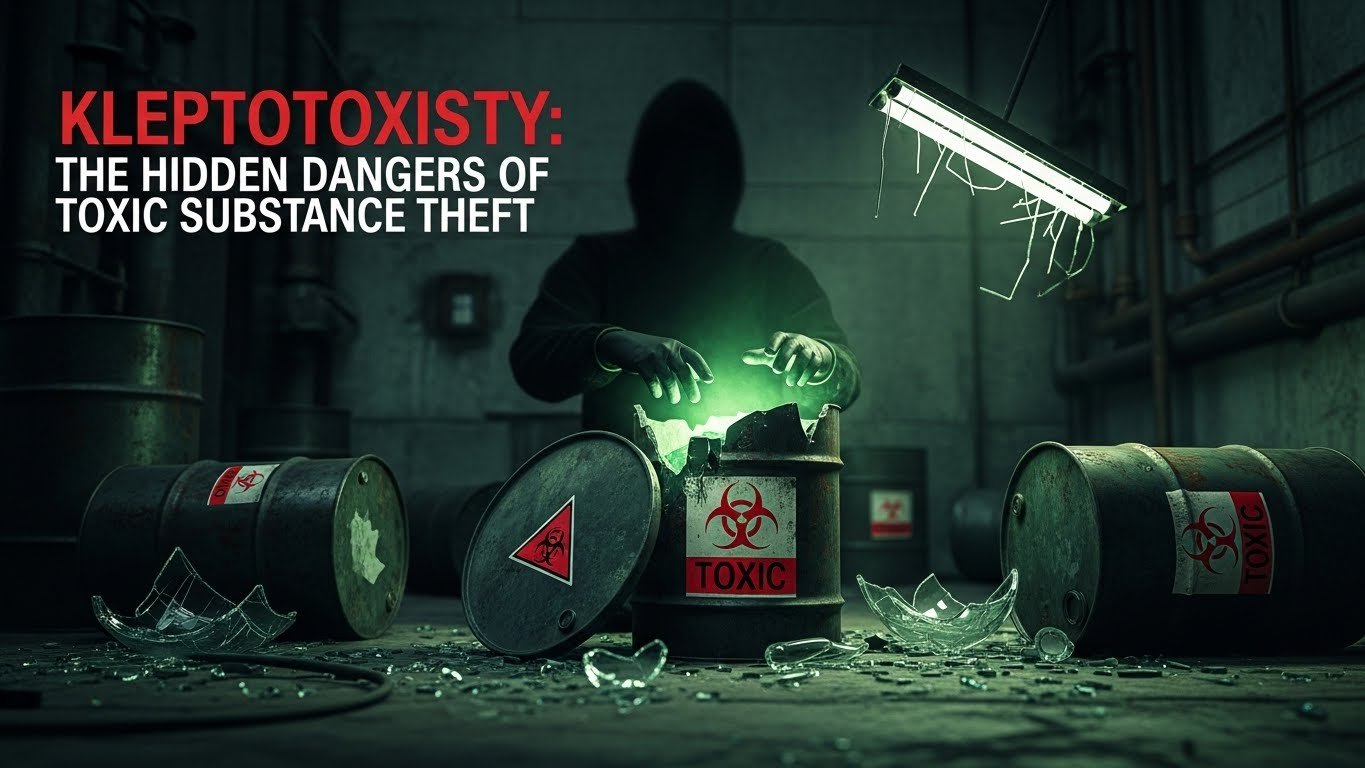
Kleptotoxicity might not be a term you’ve come across before, but it speaks to an alarming trend that’s creeping into our society. Imagine individuals pilfering toxic substances without realizing the potential consequences—not just for themselves, but for everyone around them. As these hazardous materials find their way into the wrong hands, we are left to grapple with both immediate dangers and long-term repercussions. Understanding kleptotoxicity is essential in today’s world where safety and environmental health hang in the balance. Let’s dive deeper into this hidden threat that can impact us all.
What is Kleptotoxicity?
Kleptotoxicity is a term that highlights the dangers associated with the theft of toxic substances. It combines “klepto,” meaning to steal, and “toxicity,” referring to harmful or poisonous effects.
This concept addresses how individuals or groups may unlawfully acquire hazardous materials for various purposes. These can range from illicit drug manufacturing to environmental vandalism.
The implications are alarming, as stolen chemicals often end up in unsafe hands. The lack of regulation adds layers of risk not only for those involved but also for unsuspecting communities nearby.
Understanding kleptotoxicity requires acknowledging its potential consequences on public health and safety. Awareness of this issue is crucial, especially given the increasing prevalence of illegal activities surrounding toxic substances today.
Examples of Commonly Stolen Toxic Substances
Kleptotoxicity often involves the theft of various hazardous materials that pose significant risks. Commonly stolen toxic substances include industrial chemicals like methanol, which is highly flammable and harmful if inhaled.
Another notorious example is anhydrous ammonia. This substance is widely used in agriculture but can cause severe burns and respiratory issues upon exposure. Thieves target it for its value and high demand.
Lead-acid batteries are also frequently pilfered for their lead content. Not only does this practice harm the environment, but improper handling can release dangerous toxins into communities.
Even pharmaceuticals fall victim to kleptotoxicity; opioid medications are a prime target due to their street value and potential for abuse. Such thefts jeopardize public health and safety on multiple levels.
The Risks and Dangers of Stealing Toxic Substances
The act of stealing toxic substances carries significant risks that extend far beyond immediate legal consequences. Individuals often underestimate the potential for harmful exposure during theft. Even small amounts can lead to severe health effects.
Chemical burns, respiratory issues, and poisoning are just a few dangers faced by those who engage in kleptotoxicity. The lack of protective gear compounds these risks, leaving thieves vulnerable.
Additionally, stolen substances may be mishandled or improperly stored. This negligence can result in hazardous leaks or spills, posing threats not only to the thief but also to surrounding communities.
Furthermore, the psychological toll can’t be ignored. Guilt and anxiety often accompany illegal activities involving dangerous materials.
Engaging in such behavior contributes to wider societal issues like environmental pollution and increased healthcare costs related to toxic exposures. The ramifications ripple outwards, affecting countless lives.
How to Protect Yourself from Kleptotoxicity
To protect yourself from kleptotoxicity, awareness is key. Start by educating yourself about toxic substances commonly found in your environment. Understanding what these materials are will help you recognize potential threats.
Always secure hazardous items in your home or workplace. Use locked cabinets and clearly label containers to prevent accidental exposure or theft.
If you notice suspicious activity around areas where toxic substances are stored, report it immediately. Vigilance can often deter illicit behavior before it escalates.
Engage with community programs focused on safety and environmental health. These initiatives promote best practices and keep everyone informed about local risks.
Advocate for stronger regulations regarding the storage and distribution of dangerous substances. Collective action creates a safer environment for all while minimizing the chances of kleptotoxic incidents occurring nearby.
Impact on the Environment and Society
Kleptotoxicity poses significant threats to both the environment and society. When toxic substances are stolen, they often end up in unregulated hands. This can lead to improper handling and disposal, resulting in hazardous waste contaminating soil and water.
Communities nearby may suffer from health issues related to exposure to these harmful chemicals. Contaminated resources impact local agriculture, threatening food safety and livelihood for many families.
Wildlife also faces grave dangers as ecosystems become disrupted by pollutants entering their habitats. Biodiversity declines as species struggle to adapt or survive.
Furthermore, the social fabric of affected communities deteriorates when trust erodes due to criminal activities surrounding toxic substance thefts. Public health crises strain local resources while driving wedges between residents.
Addressing kleptotoxicity is not merely an environmental concern; it’s a societal imperative that affects everyone directly or indirectly through its cascading effects on health, economy, and community wellbeing.
Why We Must Address Kleptotoxicity as a Serious Issue
Kleptotoxicity is not just a buzzword; it holds serious implications for public health and safety. When toxic substances are stolen, they often find their way into unregulated markets, putting vulnerable communities at risk.
The theft of hazardous materials can lead to accidental exposure or deliberate misuse. Individuals may lack the knowledge or equipment needed to handle these substances safely. This increases the likelihood of accidents that could have devastating consequences.
Moreover, kleptotoxicity poses significant environmental threats. Contaminated land and water sources can harm wildlife and disrupt ecosystems. The ripple effects extend beyond immediate danger, affecting future generations as well.
Addressing this issue requires collective effort from policymakers, industries, and communities alike. By raising awareness about the dangers associated with toxic substance theft, we can foster a safer environment for everyone involved. It’s time to take kleptotoxicity seriously before it escalates further into a crisis.
Conclusion
Kleptotoxicity is a pressing issue that deserves our attention. The theft of toxic substances can lead to devastating consequences, not only for individuals but also for communities and the environment as a whole. By understanding what kleptotoxicity entails and recognizing the risks associated with it, we can take proactive measures to safeguard ourselves and our surroundings.
The examples of commonly stolen toxic materials remind us of the hidden dangers lurking within everyday life. From industrial chemicals to household products, awareness is crucial in preventing potential harm. It’s essential that we educate ourselves about these issues while advocating for stronger regulations around hazardous materials.
Protecting against kleptotoxicity requires vigilance from everyone involved—individuals, businesses, and governments alike. Implementing safety protocols and encouraging responsible disposal methods are steps we all need to embrace.
Moreover, addressing this matter goes beyond personal safety; it has broader implications on environmental health and societal wellbeing. The ripple effect of ignoring kleptotoxicity could mean jeopardizing ecosystems or putting community health at risk.
As more people become aware of the significance surrounding this phenomenon, collective action will be vital in mitigating its impact. Awareness leads to change—and through education and advocacy, we can foster safer environments for current residents and future generations alike.