









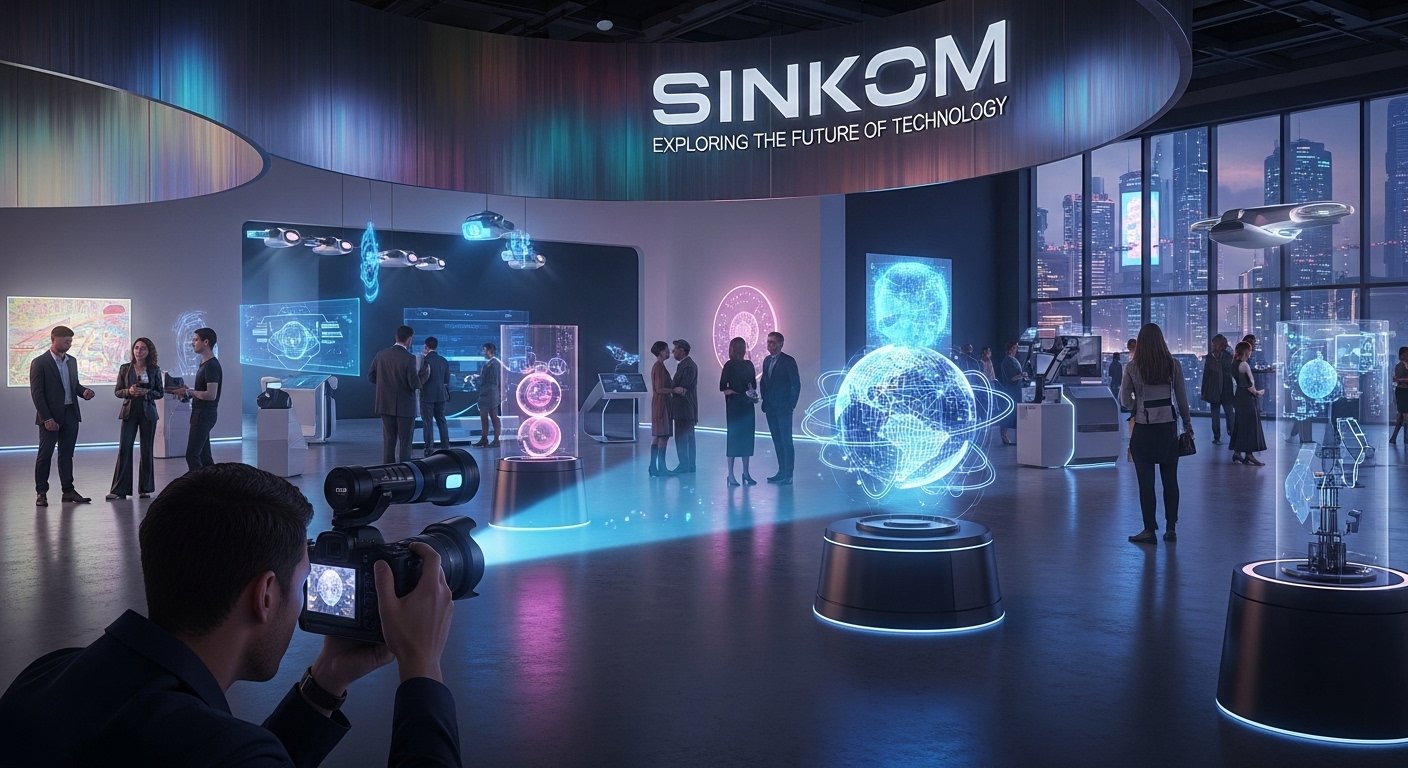
Welcome to the intriguing world of Sinkom, where technology meets imagination. As we journey through a rapidly evolving digital landscape, it’s essential to explore how innovations are reshaping our lives. From artificial intelligence that learns and adapts to virtual realities that immerse us in new experiences, the future is unfolding right before our eyes. Technology isn’t just about gadgets and software; it influences everything from the way we work to how we connect with one another. Join us as we dive into the essence of Sinkom and discover its role in shaping tomorrow’s technological advancements.
What is Sinkom?
Sinkom is a pioneering platform that explores the intersection of technology and society. It serves as a hub for innovators, thinkers, and enthusiasts who seek to understand how advancements shape our daily lives.
This initiative fosters collaboration among tech experts and creatives alike. By promoting insightful discussions, Sinkom aims to demystify complex technological concepts.
With a focus on emerging trends, it keeps its community informed about breakthroughs in artificial intelligence, virtual reality, and more.
Sinkom also emphasizes the importance of ethical considerations in tech development. This creates an environment where responsible innovation can flourish.
Through events, workshops, and online forums, Sinkom encourages critical thinking about the future of technology. It invites everyone to participate in shaping what comes next while being mindful of societal impact.
The Evolution of Technology in Society
Technology has always been a mirror reflecting society’s desires and needs. From the invention of the wheel to today’s smartphones, each leap forward connects us more deeply.
In ancient times, tools were simple yet revolutionary. They enabled humans to cultivate land and build shelters. This laid the groundwork for civilizations.
The Industrial Revolution marked another pivotal shift. Machines transformed labor, leading to urbanization and new social dynamics. It changed how people lived and worked.
Fast forward to the digital age; technology evolved at an unprecedented pace. The internet emerged as a game-changer, connecting billions across the globe.
Today, we stand on the brink of further transformation with advancements like AI and VR reshaping experiences in remarkable ways. Each innovation invites us to rethink our interactions with one another and our environment while pushing boundaries that define modern life.
Advancements in Artificial Intelligence
Artificial Intelligence has made remarkable strides in recent years. From machine learning algorithms to natural language processing, AI is transforming various sectors.
In healthcare, AI systems analyze complex data sets. They assist doctors in diagnosing diseases with unprecedented accuracy. This enhances patient care and speeds up treatment processes.
The finance industry also benefits from AI advancements. Algorithms now predict market trends, allowing for smarter investment decisions. Automated trading systems execute transactions at lightning speed.
Moreover, creative industries are seeing a revolution too. Artists collaborate with AI tools that generate music or visual art. These innovations challenge traditional notions of creativity and authorship.
As these technologies evolve, ethical discussions become crucial. Finding balance between innovation and responsibility will shape the future landscape of AI development. The possibilities seem endless, but so do the questions they raise about our societal norms.
Virtual and Augmented Reality: Changing the Way We Interact
Virtual and augmented reality are revolutionizing how we connect with the world around us. These technologies create immersive experiences that blur the lines between digital and physical realities.
Imagine attending a concert from your living room, feeling as if you’re right there in the crowd. Virtual reality makes this possible, transporting users to vibrant environments they can explore freely.
On the other hand, augmented reality enhances our everyday interactions by overlaying digital information onto the real world. Think of using AR apps to visualize furniture in your home before making a purchase or navigating through complex spaces with ease.
These innovations also foster collaboration across distances. Teams scattered around the globe can meet in virtual spaces, sharing ideas and brainstorming without barriers.
As these technologies evolve, so too does our ability to engage meaningfully with one another and our surroundings. The possibilities for enriched interaction seem endless.
The Impact of Technology on Employment
Technology has reshaped the employment landscape dramatically. Automation and advanced algorithms are now commonplace in various industries, influencing job availability and roles.
Numerous tasks that once required human intervention can now be handled by machines. This shift raises questions about job security for many workers across different sectors.
On one hand, technology creates new opportunities. Fields like data science, cybersecurity, and AI development are burgeoning. These areas require skilled professionals who understand complex systems.
However, there’s a darker side to this evolution. Routine jobs faced with automation often disappear swiftly, leaving employees scrambling for alternatives or retraining options.
Adaptability becomes crucial in this environment. Workers must continuously upgrade their skills to remain relevant and competitive as technology advances at an unprecedented pace. Embracing lifelong learning is essential for thriving amid these rapid changes in the workplace.
Ethical Considerations in Technological Development
As technology advances, ethical considerations become increasingly crucial. Innovations can bring remarkable benefits but also pose significant risks.
One pressing issue is data privacy. With the rise of surveillance technologies and data collection practices, individuals often unknowingly sacrifice their personal information. This raises questions about consent and ownership.
Then there’s bias in artificial intelligence algorithms. These systems learn from historical data, which may carry societal prejudices, leading to unintentional discrimination in decision-making processes.
Environmental impacts must not be overlooked either. The production and disposal of tech products contribute to pollution and resource depletion.
Consider the societal changes that arise from automation and AI integration into daily life; they challenge traditional employment structures and call for new frameworks to address potential job displacement.
Navigating these complexities requires a thoughtful approach that prioritizes humanity alongside innovation.
Sinkom’s Role in Shaping the Future
Sinkom stands at the forefront of technological innovation. Its commitment to advancing tools and platforms reshapes how we think about technology.
By fostering collaboration among tech enthusiasts, Sinkom creates an environment ripe for groundbreaking ideas. This community-driven approach allows diverse perspectives to flourish.
Moreover, Sinkom emphasizes education and awareness. By providing resources and training, it empowers individuals with knowledge about emerging technologies. This ensures that society is not left behind in the rapid evolution of digital landscapes.
The organization also actively engages in discussions around ethics and responsibility in tech development. It champions sustainable practices while prioritizing user privacy and security.
Through these initiatives, Sinkom plays a pivotal role in steering the future towards inclusivity and accountability, ensuring that advancements benefit all segments of society rather than just a select few.
Conclusion
As we delve deeper into the realm of Sinkom, it’s clear that its influence on technology is profound. The landscape of innovation continues to shift and evolve, reflecting society’s needs and desires. With advancements in artificial intelligence transforming industries and virtual reality offering immersive experiences, our interaction with technology is becoming more dynamic.
Employment patterns are also changing as automation rises. While this brings concern over job displacement, it equally offers opportunities for new roles that didn’t exist a decade ago. The ethical considerations surrounding these developments cannot be ignored either; they demand careful thought as we navigate this technological journey.
Sinkom stands at the forefront of shaping what lies ahead. By fostering innovation while being mindful of societal impacts, it aims to create a balanced future where technology enhances our lives positively. As we look forward to what’s next in tech evolution, the role of entities like Sinkom will undoubtedly be pivotal in steering us toward responsible growth and advancement.